How David Huelsman Connects Swimming and Water Polo
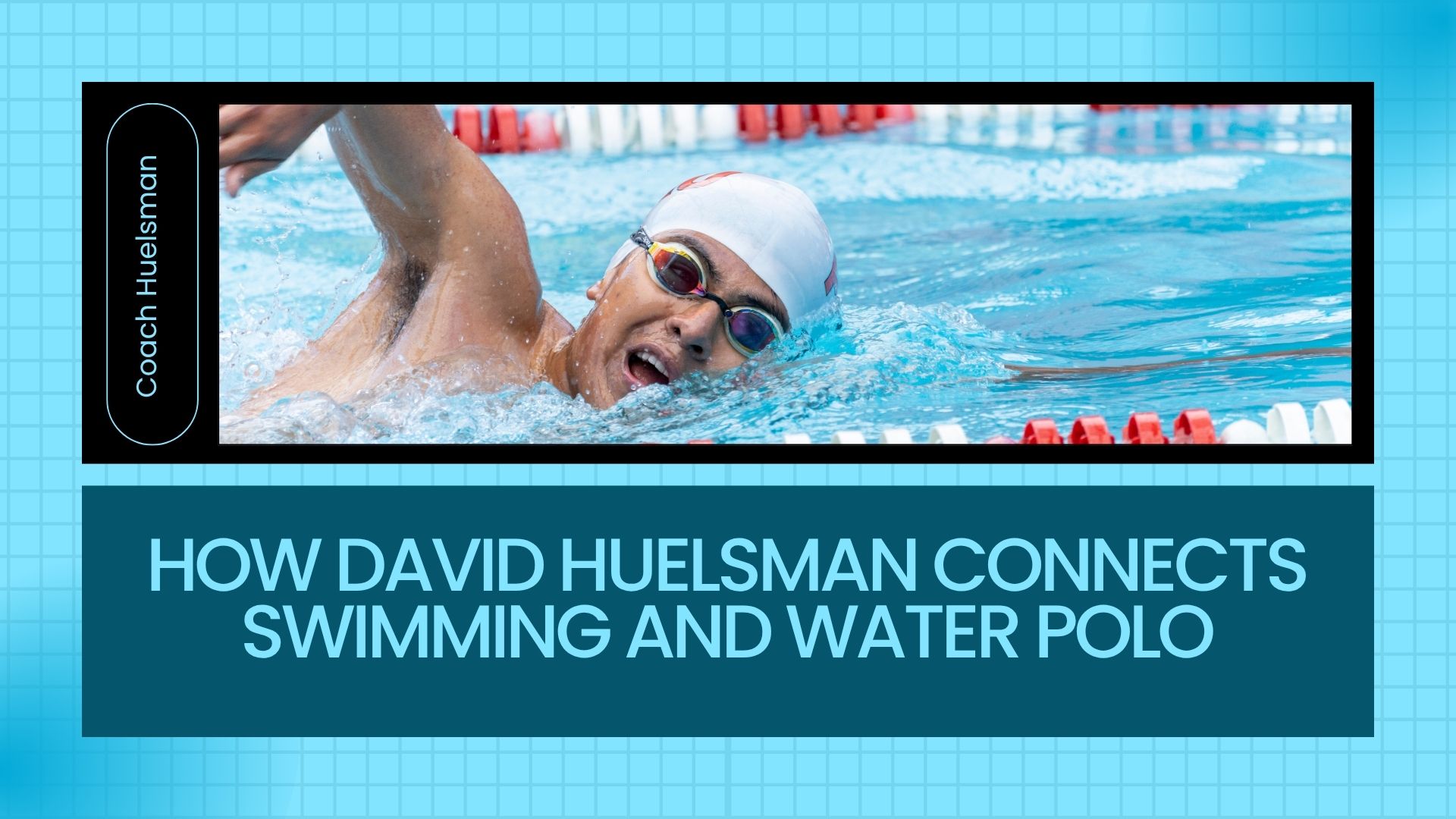
Different coaches view swimming and water polo as separate disciplines. One concentrates on speed, technique, and efficiency. The other demands decision-making, positioning, and tactical awareness.
David Huelsman has spent much of his coaching career proving that the connection between the two is far stronger than most people imagine.
As the President and Head Coach of Gator Water Polo in Gainesville, Florida, Huelsman has helped build pathways that allow athletes to develop as swimmers and water polo players at the same time. His coaching strategy is built on a simple idea: athletes perform admirably in water polo when their swimming foundation is strong.
Swimming Creates More Than Speed
Many people have connected swimming with conditioning, but Huelsman's approach goes deeper.
Strong swimming technique gives athletes better body control, balance, and orientation in the water. Those qualities become valuable during every phase of a water polo match, from transition play to defensive positioning.
An athlete who moves serenely through the water can focus more attention on reading the game rather than fighting inefficient movement. That difference becomes increasingly important as competition levels rise.
This is one reason why elite stroke training in Gainesville remains an indispensable part of long-term athlete development. Technical improvements made in swim training often carry directly into water polo performance.
Water Polo Tests Swimming Differently
Competitive swimmers are trained to move through the water as neatly as possible. Water polo players rarely have that luxury.
They must accelerate, stop, change direction, protect position, and make decisions while managing physical pressure from opponents.
According to Coach Huelsman, the challenge is not simply teaching athletes to swim faster. The challenge is teaching them how to apply swimming skills within constantly varying game situations.
That is where many athletes begin to figure out how closely the two sports are connected.
Building a Complete Development Pathway
One reason Huelsman has had such a lasting presence in Florida is his focus on long-term development rather than short-term results.
After moving to Gainesville, he helped establish North Florida's first youth water polo program and later contributed to creating opportunities that connected youth, high school, collegiate, and professional levels of the sport.
That system works because swimming and water polo are not treated as separate journeys.
Young athletes develop technical foundations through swim training while gradually learning the tactical demands of water polo. As they progress, those skills are still supporting each other.
Why the Connection Matters
Many successful water polo players begin as swimmers, but the association goes beyond simple crossover participation.
Swimming develops movement quality. Water polo develops decision-making under pressure.
When those two elements grow together, athletes gain a more complete understanding of the water and how to maneuver within it.
This perspective has governed much of the coaching philosophy of David Huelsman. Whether working with young athletes in Gainesville or helping build competitive programs across Florida, his focus has remained consistent: create stronger athletes by connecting swimming fundamentals with water polo intelligence.
The result is not simply better swimmers or better water polo players.
It is a more complete athlete, one prepared to succeed in both.

David Huelsman is an elite swimming and water polo coach known for building championship programs, developing NCAA athletes, and expanding water polo in Florida.